What is Paganism & How to Get Started
Paganism is a diverse and evolving nature-based spirituality that encompasses a wide range of beliefs, practices, and traditions native to Britain and Northern Europe. Its roots can be traced back to ancient civilizations where polytheism was prevalent, often connected to nature, agriculture, and seasonal cycles. Today, modern Paganism represents a revival of these ancient practices, blending ancient elements with contemporary interpretations of spirituality for our modern everyday lives.
PAGANISM
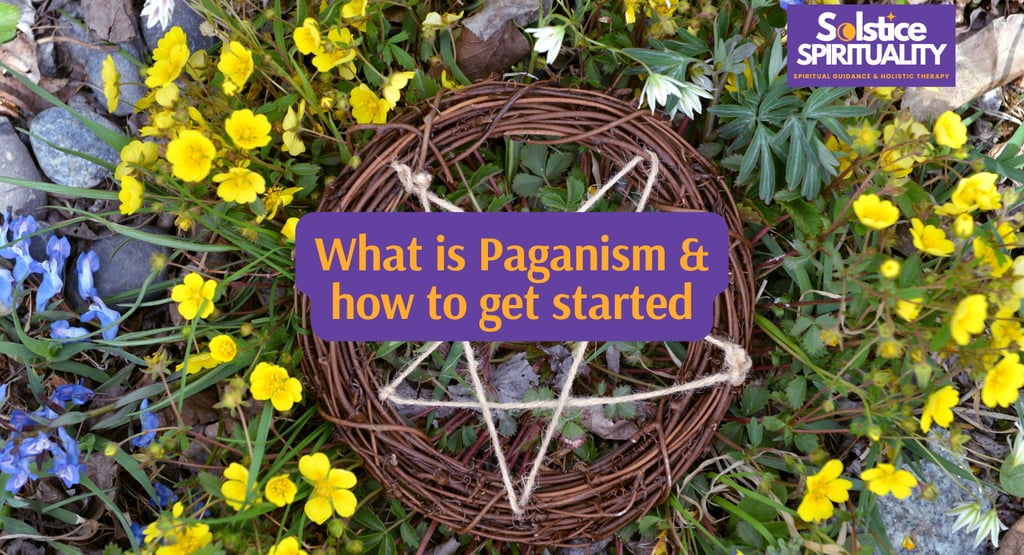
What is Paganism?
Paganism is a diverse and evolving nature-based spirituality that encompasses a wide range of beliefs, practices, and traditions native to Britain and Northern Europe. Its roots can be traced back to ancient civilizations where polytheism was prevalent, often connected to nature, agriculture, and seasonal cycles. Today, modern Paganism represents a revival of these ancient practices, blending ancient elements with contemporary interpretations of spirituality for our modern everyday lives.
At its core, Paganism is characterised by a reverence for nature, an appreciation for the interconnectedness of all living things, and an acknowledgment of the sacred in everyday life. Many Pagans draw inspiration from various cultural traditions, resulting in a multitude of paths and practices. Some prominent branches within Pagan traditions include Wicca, Druidry, and Heathenry, each with its unique beliefs and rituals. For instance, Wicca focuses on the worship of a dual deity structure and the practice of magic, while Druidry often emphasises ancestral connections and the sacredness of the land. Heathenry, on the other hand, looks to pre-Christian Norse traditions and mythology of Germanic and Scandinavian countries.
Despite the richness of its traditions, Paganism often faces misconceptions. Many people associate Paganism with negative stereotypes, such as witchcraft or devil worship, largely influenced historical religious persecutions, and cultural misunderstandings. In truth, identifying as a Pagan can mean embracing a personal spiritual journey that varies significantly from one individual to another. Many Pagans focus on ethical living, community involvement, and personal empowerment, highlighting the relevance of these practices in today’s world.
As an umbrella term encompassing numerous spiritual expressions, Paganism provides individuals with various ways to explore and cultivate their own spirituality. By understanding the diversity within Pagan traditions, individuals can appreciate the broader movement that promotes personal growth, awareness of the natural world, and cultural/ancestral respect.
Historical Context of Paganism
Paganism, a term broadly describing polytheistic and nature-based beliefs, can trace its origins back to some of the earliest human civilizations. Many ancient cultures, including the Egyptians, Greeks, and Romans, practiced various forms of Paganism, worshipping multiple deities and venerating natural elements such as the sun, moon, and earth. These practices were often intertwined with local customs, rituals, and agrarian cycles, reflecting the societies’ relationship with their environment and the seasons.
As history progressed, Paganism continued to thrive in diverse manners across different regions. The rise of monotheistic religions, particularly Christianity, Judaism, and Islam, in the first millennia significantly altered the landscape of spirituality. These religions perceived Pagan practices as heretical, leading to the decline of many ancient Pagan traditions. The processes of cultural assimilation and systematic suppression of Pagan rituals following the spread of monotheism resulted in a significant transformation of religious practices. Assimilation often involved the adaptation of Pagan symbols and festivals into the new religious frameworks, which allowed some facets of Paganism to persist in altered forms.
In more recent times, there has been a notable revival of interest in Paganism. The late 20th century witnessed the emergence of various neo-Pagan movements, such as Wicca and Druidry, which sought to rekindle traditional Pagan practices and philosophies. This resurgence was not only a reaction against the perceived rigidity of monotheistic faiths but also showcased a broader societal shift towards valuing individual spirituality and connection to nature. Today, Paganism is recognised as a legitimate form of spirituality, celebrated for its diversity and adaptability in modern society.
Benefits of Paganism for Personal Wellbeing
Paganism offers a diverse set of practices that can significantly enhance individual wellbeing. One of the best benefits is the cultivation of mindfulness. Engaging in rituals and ceremonies rooted in Pagan traditions and nature encourages individuals to be present in their experiences. This heightened awareness can lead to improved mental clarity, reduced anxiety, and a more profound appreciation for the present moment. By focusing on natural rhythms and seasonal cycles, practitioners often find themselves more attuned to their thoughts and emotions, fostering an environment conducive to emotional healing and growth.
Connection with nature is another essential aspect of Paganism that contributes to personal wellbeing. Many pagan practices emphasise the reverence of the Earth and its elements, encouraging individuals to spend time outdoors and develop an appreciation for the natural world. This relationship with nature has been linked to various mental health benefits, including reduced symptoms of depression and anxiety. Spending time in natural settings allows individuals to find solace, inspiration, and a sense of belonging that is often hard to achieve in urban environments.
Community involvement is a vital attribute of Paganism, offering a supportive network for practitioners. Joining a local Pagan group or participating in communal events can lead to enhanced social connections and feelings of acceptance. Being part of a community provides individuals with shared experiences and the opportunity to express their beliefs freely, ultimately promoting a sense of belonging. Personal empowerment is often nurtured through communal support, allowing individuals to gain confidence in their unique spiritual paths.
Testimonials from members of the Pagan community frequently highlight these benefits. For instance, individuals report significant improvements in their emotional resilience and overall life satisfaction after incorporating Pagan practices and rituals into their routines. Through these varied pathways, Paganism can serve as a powerful catalyst for enhancing personal wellbeing.
Getting Started with Pagan Practices
For individuals interested in exploring Paganism, there are numerous practical steps that can facilitate this journey.
At Solstice Spirituality, there is a variety of resoures on the website and social media accounts to get you familiar with Paganism. If you're looking for guidance, Alice can help you in one of her spiritual guidance sessions.
If you prefer to be with other people, one of the first actions could be to seek out local Pagan groups or communities. Many cities have organizations that regularly hold meetings, rituals, and workshops, which can be an excellent way to meet like-minded individuals and learn about various pagan traditions.
Alice runs a free Facebook group and workshops for anyone interested in joining.
Engaging with nature is another fundamental aspect of Pagan practice. Many Pagans find it beneficial to spend time outdoors, observing natural cycles and changes in the environment. This can involve going for walks in parks, hiking in forests, or simply sitting in a garden. Nature serves as a source of inspiration and wisdom, and a grounding tool for many who follow a Pagan path.
Meditative practices can further deepen your connection to your Pagan path. This could involve mindfulness meditation, guided visualisations, or even breathwork. By cultivating a regular meditation routine, practitioners can enhance their spiritual awareness and develop a more profound connection to their surroundings and inner selves.
Participation in rituals, whether personal or communal, is also significant. Simple rituals can be incorporated into daily life, such as celebrating seasonal festivals, honouring the elements, or performing gratitude practices. These rituals can help to create a rhythm that aligns with the natural world and personal spirituality.
Lastly, to deepen your understanding of Paganism, consider accessing various resources. There are numerous books, websites, and online communities dedicated to Pagan teachings and traditions. Engaging with these resources can provide valuable insights and guidance as one navigates through their spiritual exploration.
Work with Alice at Solstice Spirituality
Are you in need of some spiritual guidance or holistic therapy? I offer intuitive guidance and relational therapy for those who need it. Please see the website for more details on how you can work with me.
Solstice Spirituality 2025


ABCAP Therapist License 2026
Follow on social media: